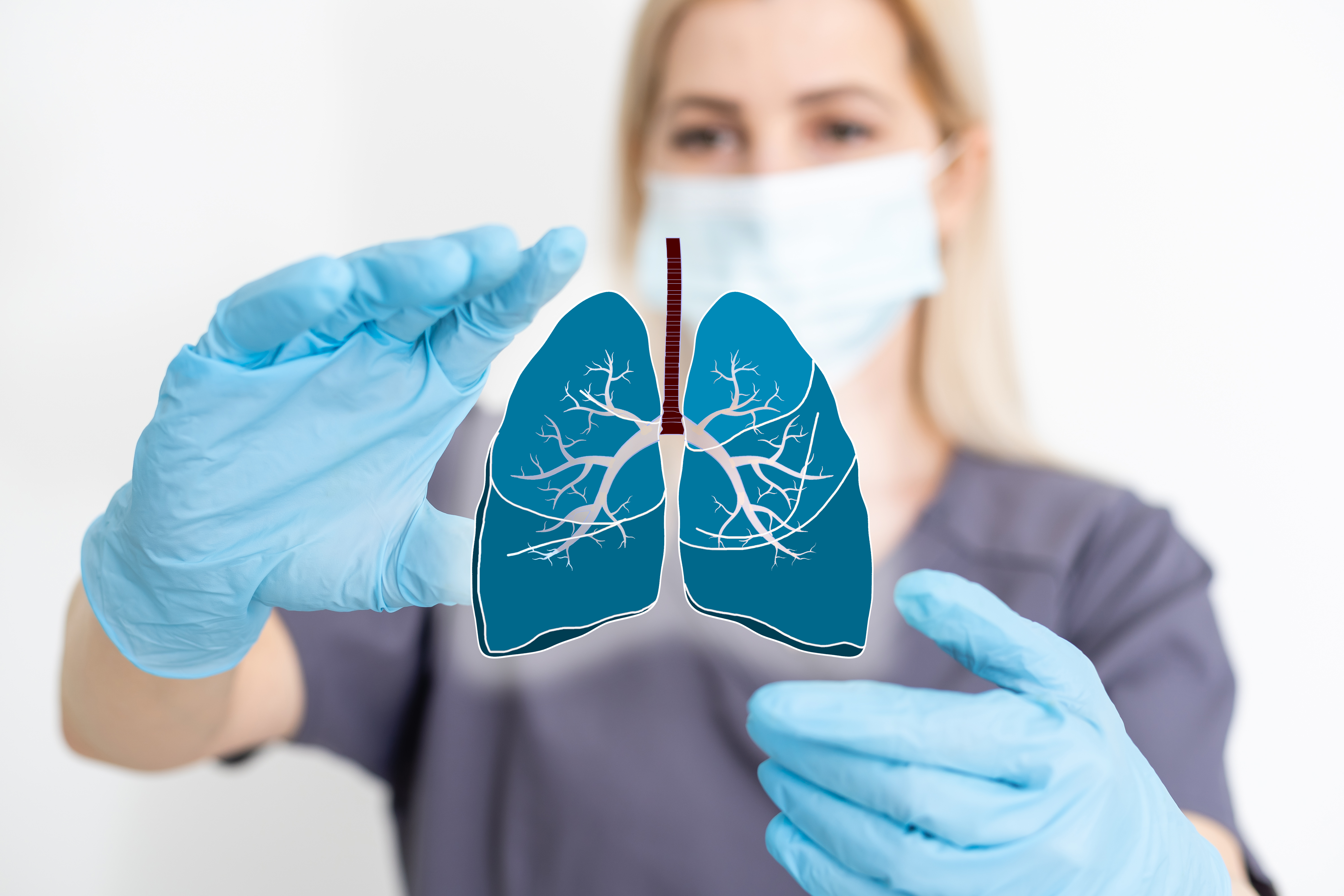
What is COPD?
COPD, or chronic obstructive pulmonary disease, is a long-term lung condition. It makes it hard to breathe. Many people in the United States and around the world live with COPD. This disease includes two main problems: chronic bronchitis and emphysema. In both cases, the airways in the lungs become blocked or damaged. As a result, less air flows in and out. Over time, breathing becomes more difficult. Although COPD cannot be cured, early care can help manage symptoms.
Common Symptoms of COPD
At first, COPD symptoms may be mild. However, they often get worse over time. Early signs can be easy to miss. For example, you might think you just have a cough or are out of shape. But, as the disease progresses, symptoms become more noticeable. Watch for these common signs:
If you notice these symptoms, it is important to talk to your doctor. Early treatment can help slow the disease.
Causes and Risk Factors
Most cases of COPD are caused by long-term exposure to things that irritate the lungs. Smoking is the leading cause. However, other factors can also play a role. For instance, breathing in air pollution or dust at work can increase your risk. Some people may develop COPD even if they have never smoked. Here are the main causes and risk factors:
While smoking is the biggest risk, not everyone with COPD has smoked. Therefore, it is important to know all the possible causes.
How COPD is Diagnosed
Doctors use several steps to diagnose COPD. First, they ask about your symptoms and medical history. Next, they may listen to your lungs with a stethoscope. However, the most important test is called spirometry. This simple breathing test measures how much air you can blow out and how fast. Other tests may include:
Early diagnosis helps you start treatment sooner. As a result, you can manage COPD better and enjoy a higher quality of life.
Treatment Options for COPD
Although COPD cannot be cured, many treatments can help control symptoms. Your doctor will suggest a plan based on your needs. Common COPD treatment options include:
With the right treatment, many people can live active lives. However, it is important to follow your doctor’s advice and take medicines as directed.
Lifestyle Tips for Managing COPD
Besides medical treatment, healthy habits can make a big difference. For example, quitting smoking is the most important step. Even if you have smoked for years, stopping now can slow COPD. Here are more tips for living with COPD:
With these steps, you can manage symptoms and improve your well-being.
Prevention and Early Detection
Preventing COPD is possible in many cases. The best way is to avoid smoking or quit if you already smoke. In addition, try to stay away from secondhand smoke and air pollution. If you work around dust or chemicals, use protective gear. Early detection is also key. For instance, if you notice a long-lasting cough or trouble breathing, see your doctor. Early care can help slow the disease and prevent serious problems.
When to See a Doctor
Sometimes, people ignore early COPD symptoms. However, it is important to seek help if you notice:
If you already have COPD, call your doctor if your symptoms suddenly get worse. Quick care can prevent serious problems. Remember, regular check-ups help you stay on track with your treatment plan.
In summary, COPD is a serious but manageable lung disease. With early diagnosis, proper treatment, and healthy habits, you can live well. Consult a pulmonologist Dr. Syed Asrar Ahmed for personalized advice on COPD management.