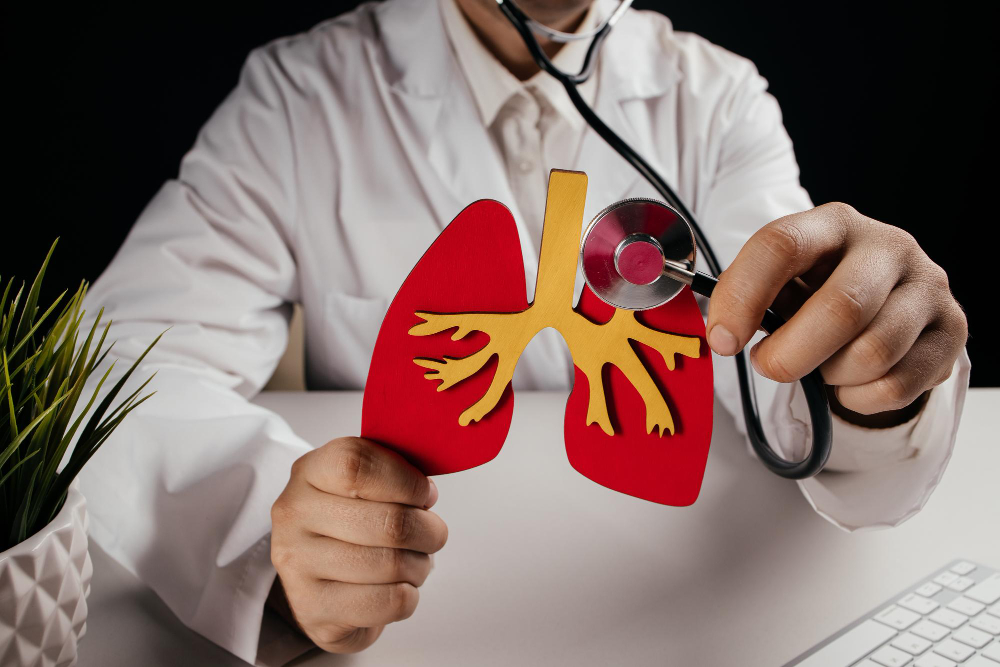
What is Pulmonary Edema?
Pulmonary edema happens when fluid builds up in the lungs. This extra fluid makes it hard to breathe. Often, the condition is serious and needs quick care. Pulmonary edema can affect anyone, but some people are at higher risk. For example, those with heart problems may develop it more easily. Because it can be life-threatening, knowing the signs is important. According to the CDC, early treatment can save lives.
Common Causes of Pulmonary Edema
Many things can cause pulmonary edema. However, heart problems are the most common reason. When the heart cannot pump blood well, fluid leaks into the lungs. Besides heart issues, other causes include:
Sometimes, the cause is not clear. But, doctors can often find the reason after tests.
Recognizing Symptoms
Early signs of pulmonary edema can be mild. Yet, symptoms often get worse quickly. Watch for these common signs:
Because these symptoms can be severe, seek help right away if you notice them.
How Pulmonary Edema is Diagnosed
Doctors use several steps to diagnose pulmonary edema. First, they ask about your symptoms and health history. Next, they listen to your lungs for crackling sounds. After that, they may order tests, such as:
With these tests, doctors can find the cause and plan treatment.
Treatment Options
Treatment for pulmonary edema depends on the cause. However, the main goal is to remove fluid and help you breathe. Common treatments include:
Doctors may also treat the underlying problem, such as heart failure or infection. Because quick care is vital, do not delay seeking help.
Prevention Tips and Lifestyle Guidance
While not all cases can be prevented, you can lower your risk. Here are some tips on how to prevent pulmonary edema:
Because healthy habits protect your heart and lungs, they also help prevent pulmonary edema.
When to Seek Medical Help
If you have sudden trouble breathing, chest pain, or cough up pink, frothy spit, get help right away. These signs can mean a medical emergency. Even if symptoms seem mild, it is better to be safe. Early treatment can prevent serious problems. However, always consult Dr. Syed Asrar Ahmed for personalized advice on pulmonary edema.