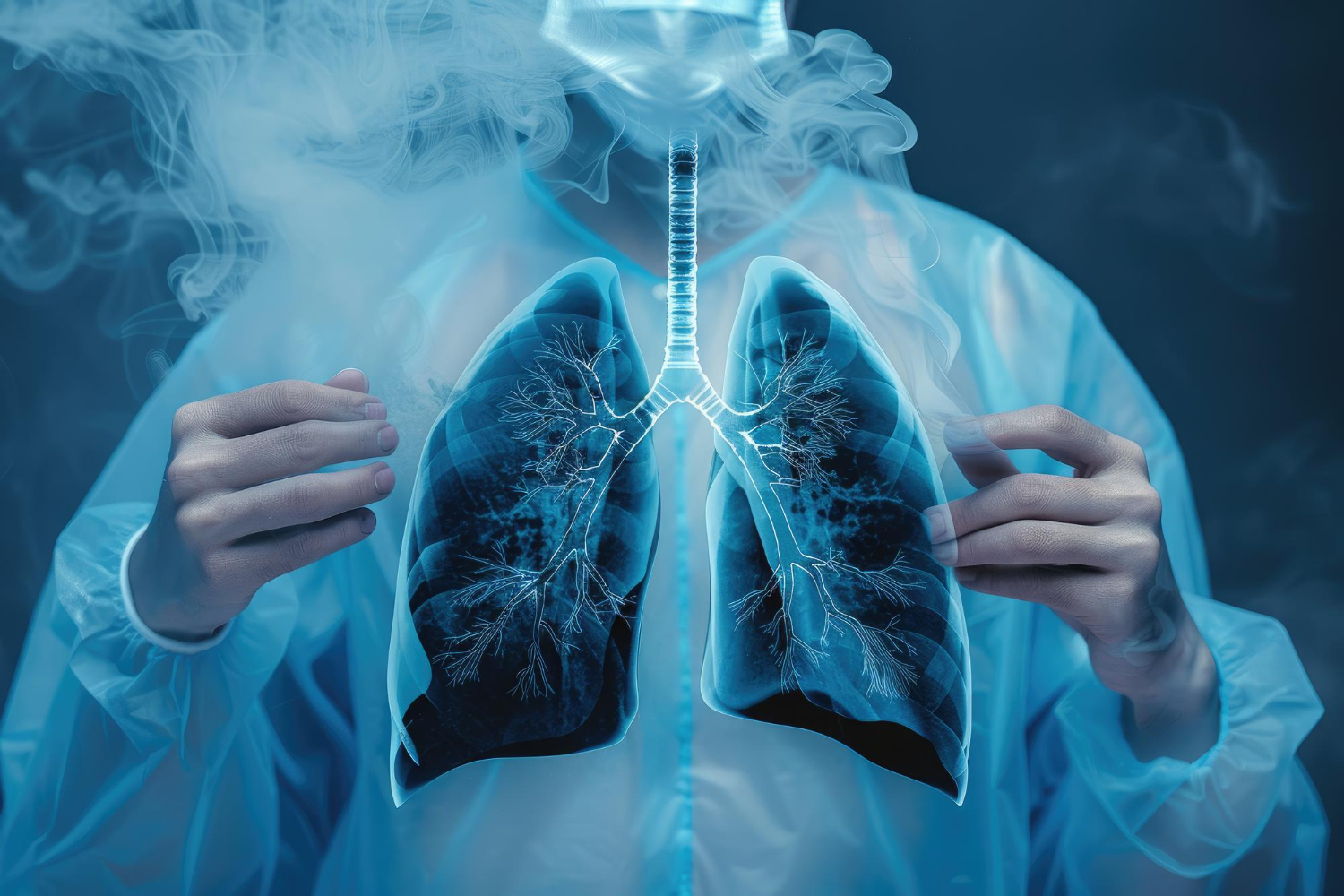
What is Emphysema?
Emphysema is a long-term lung disease. It mainly affects the air sacs in your lungs. These air sacs, called alveoli, help you breathe. In emphysema, the walls of these sacs get damaged. As a result, it becomes hard to breathe. Many people with emphysema also have chronic bronchitis. Together, these conditions are known as chronic obstructive pulmonary disease, or COPD. According to the CDC, millions of people live with emphysema worldwide. Early signs of emphysema can be mild, so it is important to know what to look for.
Common Symptoms of Emphysema
At first, symptoms may be easy to miss. However, as the disease gets worse, breathing problems become more noticeable. Early signs of emphysema often include shortness of breath, especially during activity. Over time, symptoms may get worse. For example, you may feel tired or have a cough that does not go away. Below are some common symptoms:
If you notice these symptoms, it is wise to see a doctor. Early diagnosis can help manage emphysema better.
Causes and Risk Factors
Most cases of emphysema are caused by smoking. In fact, tobacco smoke damages the lungs over time. However, other factors can also play a role. For instance, long-term exposure to air pollution or chemical fumes can increase your risk. Some people have a rare genetic condition called alpha-1 antitrypsin deficiency. This can make them more likely to develop emphysema, even if they do not smoke. Here are the main risk factors:
Because these risks add up, quitting smoking and avoiding lung irritants can help lower your chances of getting emphysema.
How Emphysema is Diagnosed
Doctors use several tests to diagnose emphysema. First, they will ask about your symptoms and medical history. Next, they may listen to your lungs with a stethoscope. However, to confirm emphysema, more tests are needed. Common tests include:
Early diagnosis is important. With the right tests, doctors can find emphysema before it gets worse. According to the WHO, early treatment can improve quality of life.
Treatment Options for Emphysema
Although there is no cure for emphysema, many treatment options can help manage symptoms. Your doctor will suggest a plan based on your needs. For example, quitting smoking is the most important step. In addition, medicines can help open your airways and reduce swelling. Here are common emphysema treatment options:
Because each person is different, your doctor will help choose the best treatment for you. Living with emphysema can be challenging, but many people manage their symptoms well with the right care.
Lifestyle Tips and Prevention
While emphysema cannot be reversed, you can take steps to slow its progress. For instance, making healthy choices every day can help your lungs work better. Here are some tips for living with emphysema and preventing further damage:
Because prevention is key, these steps can help you breathe easier and stay active. According to the CDC, healthy habits can make a big difference in managing emphysema.
In summary, emphysema is a serious lung condition, but early action and good care can help you live better. Consult Dr Syed Asrar Ahmed for personalized advice on emphysema management.