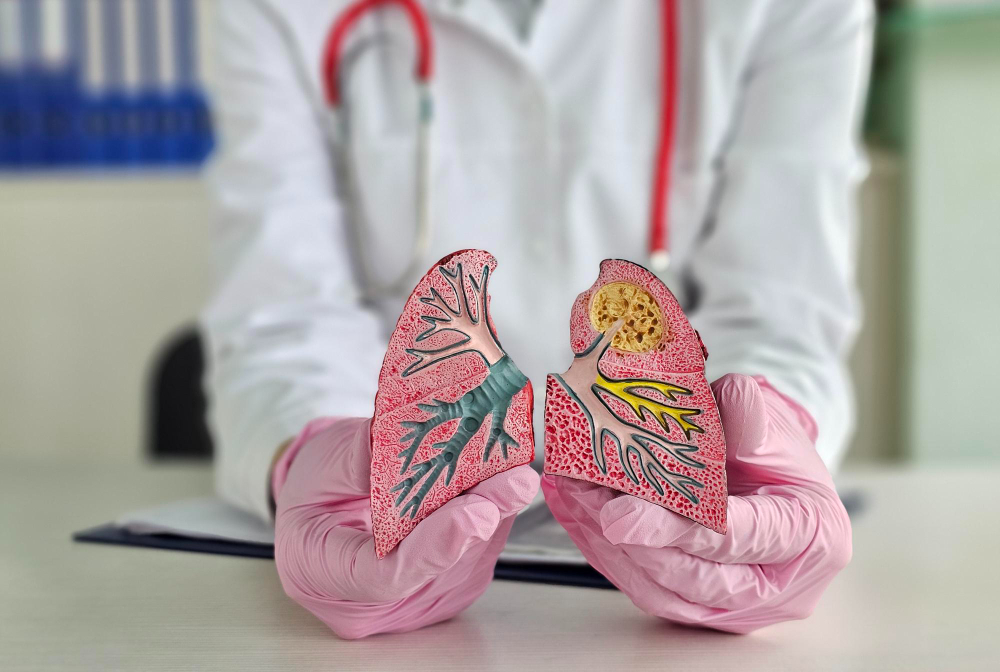
What is Cystic Fibrosis?
Cystic fibrosis is a genetic disease that affects the lungs and digestive system. In this condition, thick and sticky mucus builds up in the body. As a result, breathing and digestion become harder. Many people with cystic fibrosis need daily care. However, new treatments help people live longer and healthier lives. According to the CDC, cystic fibrosis is most common in people of Northern European descent.
Common Symptoms
Symptoms of cystic fibrosis can vary from person to person. Still, most people notice problems with breathing and digestion. Early signs often appear in childhood. For example, babies may have salty-tasting skin or trouble gaining weight. Over time, other symptoms may develop.
Because symptoms can change, regular check-ups are important.
Causes and Risk Factors
Cystic fibrosis is caused by changes in a gene called CFTR. This gene controls the movement of salt and water in and out of cells. When the gene does not work right, thick mucus forms. Both parents must carry the faulty gene for a child to have cystic fibrosis. If only one parent has the gene, the child will not get the disease but can be a carrier.
Knowing your family history can help you understand your risk.
How Cystic Fibrosis is Diagnosed
Doctors use several tests to diagnose cystic fibrosis. Early diagnosis helps start treatment sooner. In many countries, newborns are screened for cystic fibrosis. If the test is positive, more tests follow. For example, a sweat test checks for high salt levels in sweat. Genetic tests can also find changes in the CFTR gene.
Because early treatment can improve health, talk to your doctor if you notice symptoms.
Treatment Options
There is no cure for cystic fibrosis, but many treatment options can help. Treatments focus on easing symptoms and preventing problems. With new medicines, people with cystic fibrosis live longer than before. Your doctor may suggest a mix of treatments based on your needs.
Because each person is different, treatment plans are tailored to the individual.
Lifestyle Tips for Living with Cystic Fibrosis
Living with cystic fibrosis can be challenging, but many people lead active lives. With the right care, you can manage symptoms and stay healthy. For example, sticking to your treatment plan is key. Eating well and staying active also help.
Because support matters, connect with others who have cystic fibrosis for advice and encouragement.
Prevention and Outlook
Cystic fibrosis cannot be prevented, since it is inherited from parents. However, genetic testing can help families understand their risk. With advances in care, people with cystic fibrosis are living longer than ever. Early diagnosis and treatment make a big difference. Although challenges remain, research continues to improve treatment options and quality of life.
In summary, regular medical care and a healthy lifestyle help manage cystic fibrosis. For more information, visit trusted sources like the CDC or WHO.
Consult a pulmonologist Syed Asrar Ahmed for personalized advice on cystic fibrosis.