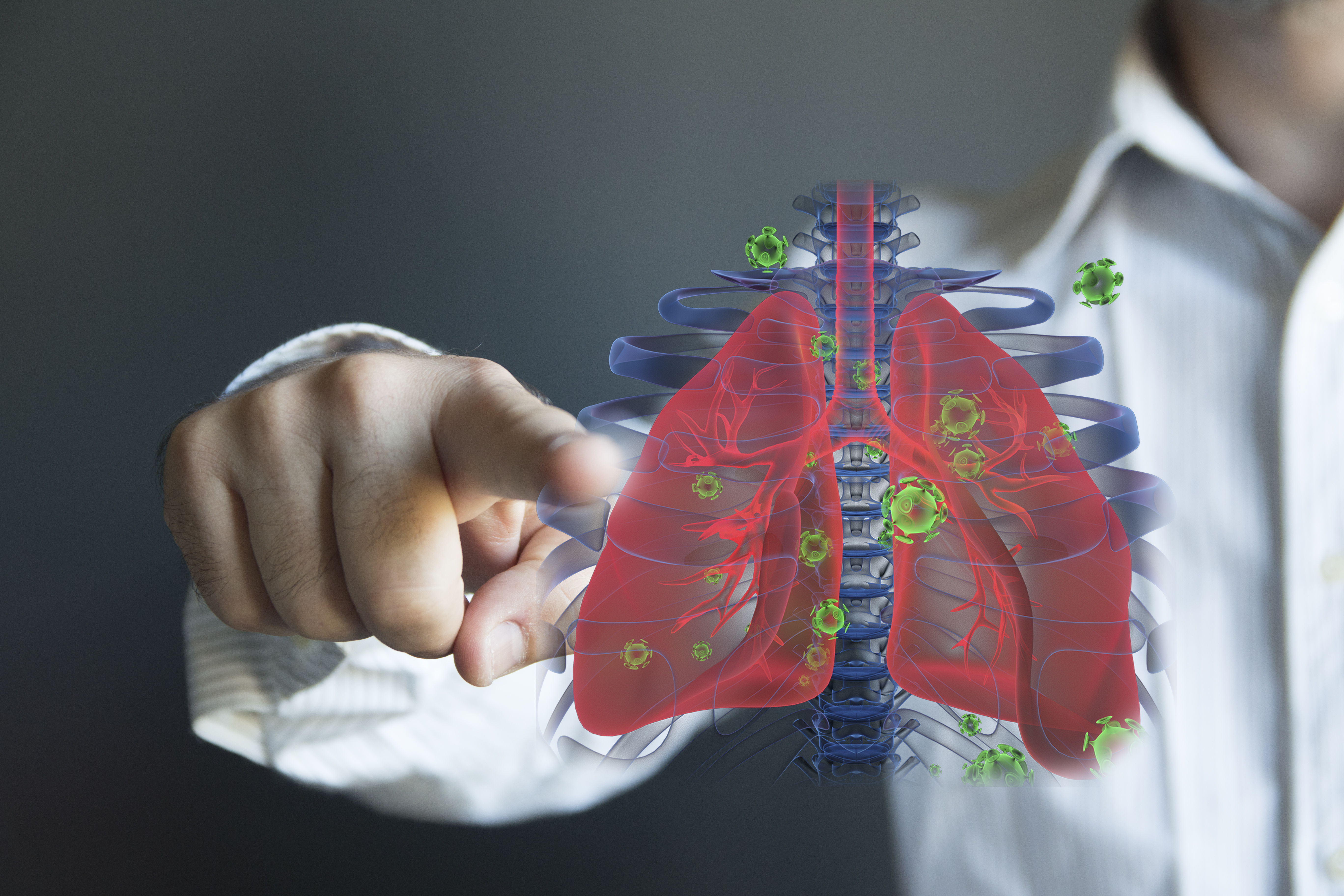
What is Pulmonary Sarcoidosis?
Pulmonary sarcoidosis is a condition where small clusters of cells, called granulomas, form in the lungs. These clusters can cause inflammation and may affect how well your lungs work. Although sarcoidosis can affect other organs, it most often involves the lungs. Because of this, it is sometimes called lung sarcoidosis. While the exact cause is unknown, it is not contagious. Early detection helps improve pulmonary health and quality of life.
Common Symptoms
Symptoms of pulmonary sarcoidosis can vary. Some people may not notice any signs at first. However, others may experience:
Sometimes, symptoms can be mild. But in other cases, they may get worse over time. If you notice these signs, it is important to talk to your doctor.
Causes and Risk Factors
Doctors do not know the exact cause of pulmonary sarcoidosis. However, experts believe it may be linked to the immune system. For example, your body may react too strongly to an unknown trigger, such as a germ or chemical. This reaction causes inflammation and granuloma formation in the lungs.
Several risk factors can increase your chances of developing this condition:
Even though these factors may raise your risk, anyone can develop lung sarcoidosis.
Diagnosis Methods
Doctors use several methods to diagnose pulmonary sarcoidosis. First, they will ask about your symptoms and medical history. Next, they may perform a physical exam. To confirm the diagnosis, your doctor might order:
Because other diseases can look similar, these tests help rule out other causes of your symptoms.
Treatment Options
Treatment for pulmonary sarcoidosis depends on your symptoms and how much your lungs are affected. Some people may not need treatment if their symptoms are mild. However, if you have trouble breathing or other severe symptoms, your doctor may suggest:
With proper sarcoidosis treatment, many people see their symptoms improve. Still, regular check-ups are important to monitor your pulmonary health.
Lifestyle Tips and Prevention
Although you cannot always prevent pulmonary sarcoidosis, healthy habits can support your lungs. For example:
Additionally, managing stress and getting enough rest can help your body recover.
When to See a Doctor
It is important to seek medical advice if you notice symptoms like a lasting cough, shortness of breath, or chest pain. Early diagnosis can help prevent complications. Moreover, if you already have pulmonary sarcoidosis, see your doctor if your symptoms get worse or if you develop new problems.
Consult a pulmonologist Dr. Syed Asrar Ahmed for personalized advice on pulmonary sarcoidosis.